
🏖️ How Did Panama City Beach Develop as a Tourist Destination Over the Years?
History of Panama City Beach Tourism Development
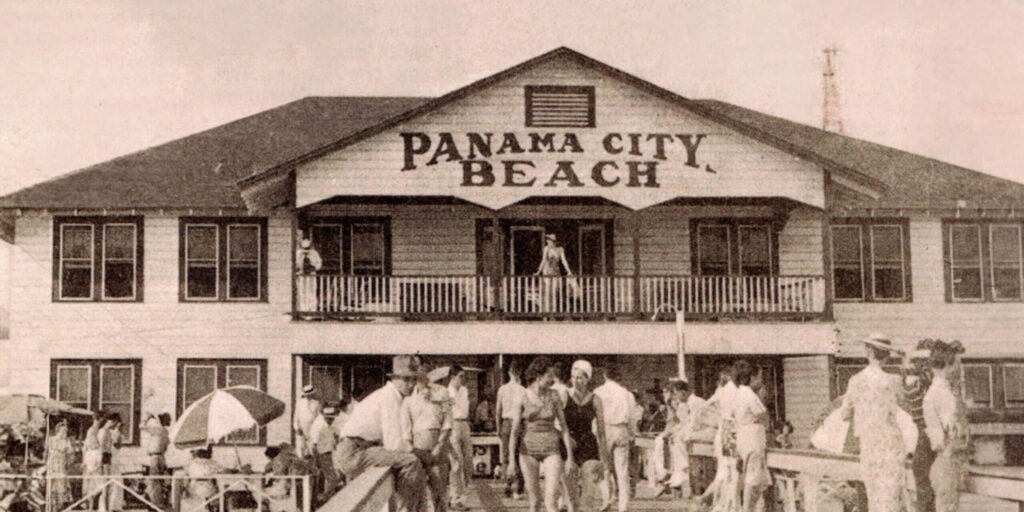
Panama City Beach, Florida, renowned for its pristine white sands and emerald-green waters, has evolved from a secluded fishing village into one of the Gulf Coast’s most sought-after vacation spots. This transformation didn’t happen overnight. Over the decades, a combination of natural beauty, strategic development, and cultural shifts played pivotal roles in shaping the Panama City Beach we know today.
🌴 Early Beginnings: A Secluded Paradise
Before the mid-20th century, Panama City Beach was largely untouched by commercial development. The area was primarily known to locals and a few adventurous travelers. Its allure lay in its natural beauty and tranquility, offering a serene escape from the hustle and bustle of urban life.
🚗 The 1930s–1940s: The Dawn of Tourism
The real push toward tourism began in the 1930s. With the completion of the Hathaway Bridge in 1929, access to the beach became more feasible, attracting visitors from neighboring areas. By the 1930s, Panama City Beach began to see serious tourism development Capt. Anderson’s Restaurant. The establishment of the area’s first radio station, WDLP, in 1938 further helped promote the destination to a broader audience.
🏗️ 1950s–1960s: Post-War Boom and Infrastructure Growth
Following World War II, the demand for beach vacations surged. The 1950s and 1960s witnessed a construction boom, with motels, beachfront properties, and attractions springing up to accommodate the influx of tourists Gulf Crest Condominiums. This era laid the groundwork for the vibrant tourist destination Panama City Beach would become.
🎢 1960s–1980s: Rise of Family Attractions
The mid-20th century saw the introduction of family-friendly attractions that became staples of the Panama City Beach experience. One notable addition was the Miracle Strip Amusement Park, which opened in 1963 and operated until 2004. The park featured rides like the Starliner roller coaster and became a favorite among families visiting the area Wikipedia.
🎓 1990s: Spring Break Capital Emerges
In the 1990s, Panama City Beach gained national attention as a spring break hotspot. The area’s affordability and vibrant nightlife attracted college students from across the country. This period solidified Panama City Beach’s reputation as the “Spring Break Capital of the World,” drawing hundreds of thousands of students annually.
🏘️ 2000s: Real Estate Boom and Urban Development
The early 2000s ushered in a real estate boom. High-rise condominiums and luxury resorts began replacing older motels and beach cottages. This development catered to a more affluent tourist demographic and marked a shift towards upscale tourism. However, the rapid growth also led to challenges, including increased traffic and environmental concerns.
🌊 2010s: Diversification and Family-Focused Attractions
Recognizing the need to diversify its tourist base, Panama City Beach shifted its focus towards family-friendly attractions. The opening of Pier Park in 2008, a large outdoor shopping and entertainment complex, provided visitors with a variety of dining, shopping, and entertainment options. Additionally, attractions like Gulf World Marine Park and the Coconut Creek Family Fun Park catered to families seeking both relaxation and adventure.
🌪️ 2018: Hurricane Michael and Resilience
In October 2018, Panama City Beach faced one of its most significant challenges when Hurricane Michael made landfall, causing widespread damage. However, the community’s resilience shone through as rapid rebuilding efforts commenced. The disaster highlighted the area’s vulnerability to natural events but also showcased the strength and determination of its residents and businesses.
🏖️ Present Day: A Premier Tourist Destination
Today, Panama City Beach stands as a testament to successful tourism development. With nearly 27 miles of coastline, a plethora of attractions, and a diverse range of accommodations, it caters to a wide array of visitors. The blend of natural beauty, modern amenities, and a rich history makes Panama City Beach a premier destination on the Gulf Coast.
❓ FAQs About Panama City Beach’s Tourism Development
1. When did Panama City Beach first become a tourist destination?
While the area attracted visitors in the early 20th century, significant tourism development began in the 1930s with the completion of the Hathaway Bridge and the establishment of local amenities.
2. What was the Miracle Strip Amusement Park?
Opened in 1963, the Miracle Strip Amusement Park was a family-friendly attraction featuring rides like the Starliner roller coaster. It operated until 2004.
3. How did Hurricane Michael impact Panama City Beach?
Hurricane Michael made landfall in October 2018, causing significant damage. However, the community’s swift recovery efforts underscored its resilience.
4. What is Pier Park?
Opened in 2008, Pier Park is a large outdoor shopping and entertainment complex offering a variety of dining, shopping, and entertainment options for visitors.
Conclusion
The evolution of Panama City Beach from a secluded fishing village to a premier tourist destination is a testament to strategic development, community resilience, and the area’s inherent natural beauty. As it continues to grow and adapt, Panama City Beach remains a beloved spot for travelers seeking sun, sand, and a rich history.