
Major Historical Events That Shaped Panama City Beach
Panama City Beach, Florida, is widely known for its stunning emerald waters, sugar-white sand, and vibrant tourist scene. But behind its reputation as a beach paradise lies a rich history that has shaped the city into what it is today. Understanding the major historical events that shaped Panama City Beach provides context for its growth, culture, and unique identity along the Gulf Coast.
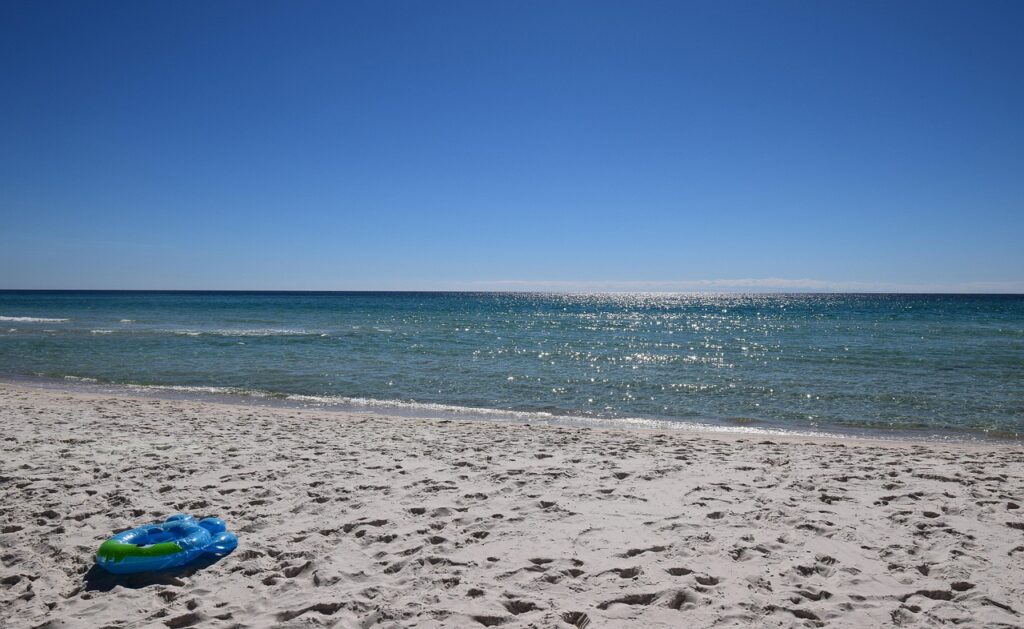
From its early settlement to economic development, natural disasters, and tourism boom, each chapter in PCB’s history has left an indelible mark on the community and the landscape.
Early Settlement and Founding
Native American Presence
Before European settlers arrived, the area around Panama City Beach was home to indigenous peoples. Tribes like the Muspa and other coastal communities lived along the Gulf Coast, relying on fishing and trade. Their presence influenced the region’s early culture and economy.
European Exploration
In the 16th and 17th centuries, Spanish explorers navigated the Gulf of Mexico, mapping the coastline and establishing trade routes. While Panama City Beach itself was not a major settlement, these explorations laid the groundwork for future colonization and development.
Establishment of Panama City
The modern city of Panama City was officially incorporated in 1909. While Panama City Beach remained largely undeveloped for decades, its proximity to Panama City would later influence its growth and tourism potential.
Development of Panama City Beach
Early 20th Century Growth
The early 1900s saw gradual development along the Gulf Coast. Logging, fishing, and small-scale farming were among the primary economic activities. Bridges and roads connecting coastal areas helped attract settlers and traders.
Tourism Emerges
By the mid-20th century, Panama City Beach began attracting visitors drawn to its pristine beaches. The 1950s and 1960s marked the start of modern tourism, with motels, resorts, and recreational facilities emerging along the coastline. This shift set the stage for PCB’s transformation into a vacation destination.
Natural Disasters That Shaped PCB
Hurricanes and Floods
Panama City Beach’s location along the Gulf of Mexico has made it vulnerable to hurricanes and tropical storms. Major storms, such as Hurricane Opal (1995) and Hurricane Michael (2018), caused significant damage to infrastructure and housing, reshaping the city’s coastal planning and emergency preparedness.
Coastal Erosion and Environmental Challenges
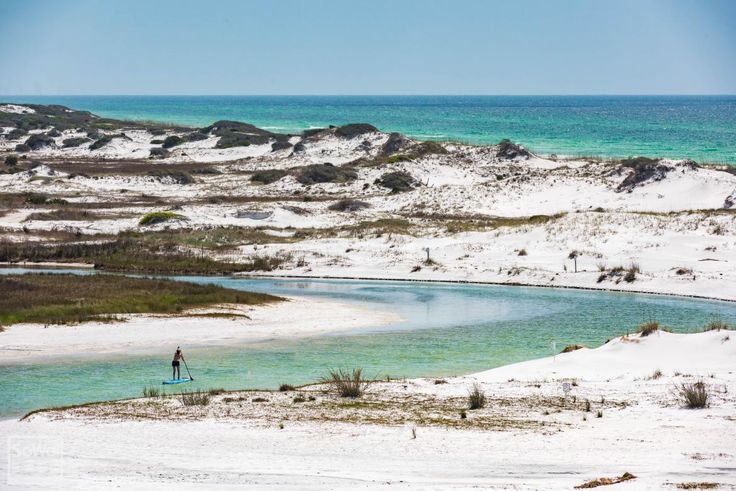
Over the decades, coastal erosion has altered the landscape of PCB. Efforts to preserve the beaches, including dune restoration and conservation projects, were prompted by both natural disasters and increased tourism.
The Rise of Tourism
Pier Park and Commercial Development
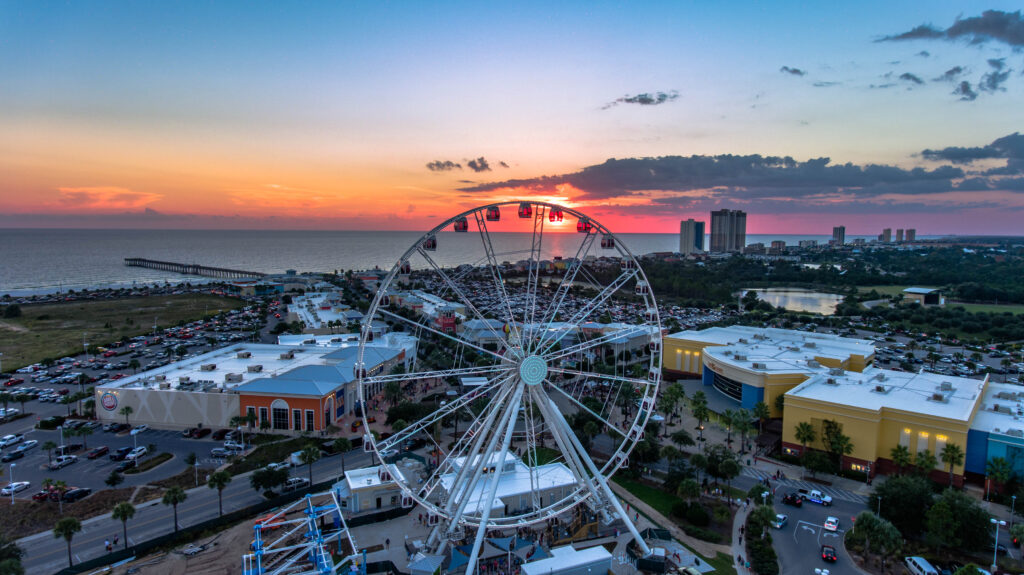
In the late 20th and early 21st centuries, Panama City Beach invested in modern infrastructure to accommodate growing tourism. The construction of Pier Park, a major shopping and entertainment complex, was a turning point, attracting millions of visitors annually.
Spring Break Culture
During the 1980s and 1990s, Panama City Beach became a hotspot for spring break tourism, drawing college students from across the U.S. While it boosted the local economy, it also prompted efforts to manage crowds, ensure safety, and balance tourism with community needs.
Eco-Tourism and Outdoor Recreation
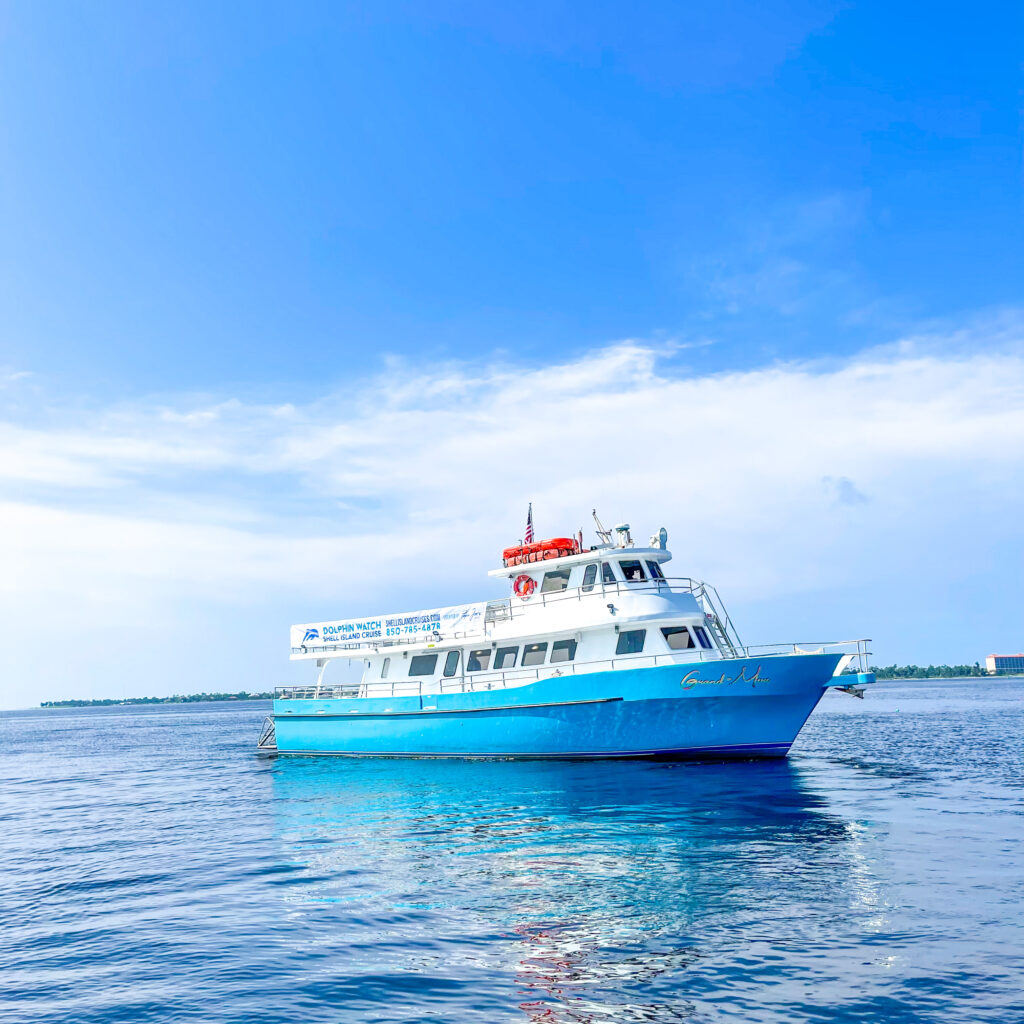
In recent years, Panama City Beach has embraced eco-tourism, promoting St. Andrews State Park, Shell Island, and wildlife preservation. These initiatives highlight the city’s commitment to sustainable tourism and environmental awareness.
Economic and Cultural Milestones
Military Influence
The proximity of military installations, such as Tyndall Air Force Base, has played a role in shaping PCB’s economy and community. Military personnel and families contribute to the local population and cultural events.
Real Estate Boom
The late 20th century brought significant real estate development. Oceanfront condos, vacation rentals, and luxury resorts became common, transforming the skyline and economy of Panama City Beach.
Festivals and Community Events
Cultural events, including seafood festivals, art shows, and beach celebrations, reflect PCB’s heritage and community identity. These events attract visitors while strengthening local traditions and pride.
Modern Panama City Beach
Today, Panama City Beach stands as a dynamic blend of natural beauty, historical significance, and modern amenities. The major historical events that shaped Panama City Beach—from indigenous heritage and European exploration to tourism growth and natural disasters—have collectively created the city we know today.
Visitors can enjoy pristine beaches, outdoor recreation, and cultural experiences while appreciating the rich history that continues to influence the community.
FAQs About Major Historical Events That Shaped Panama City Beach

1. What are the earliest historical influences on Panama City Beach?
The earliest influences came from Native American tribes such as the Muspa, followed by European exploration and early settlers who shaped trade and culture.
2. How did hurricanes affect the development of Panama City Beach?
Major hurricanes, including Hurricane Opal and Hurricane Michael, led to rebuilding efforts, improved infrastructure, and better emergency preparedness, shaping the city’s resilience.
3. When did tourism start in Panama City Beach?
Tourism began to grow in the mid-20th century, with motels and resorts emerging in the 1950s and 1960s. Spring break and modern attractions like Pier Park further boosted the tourism industry.
4. What role did the military play in Panama City Beach’s history?
Military installations, particularly Tyndall Air Force Base, contributed to economic growth and influenced the community’s demographics and cultural events.
5. How has Panama City Beach preserved its natural environment?
Through eco-tourism, conservation efforts at St. Andrews State Park, and dune restoration projects, PCB balances tourism with environmental preservation.
The history of Panama City Beach is as dynamic and layered as its coastline. From indigenous roots and European exploration to tourism, natural disasters, and modern development, the major historical events that shaped Panama City Beach have left lasting impressions on its culture, economy, and community. Understanding this history enriches the experience of visiting PCB, allowing travelers to appreciate not just its beaches, but the legacy behind them.